
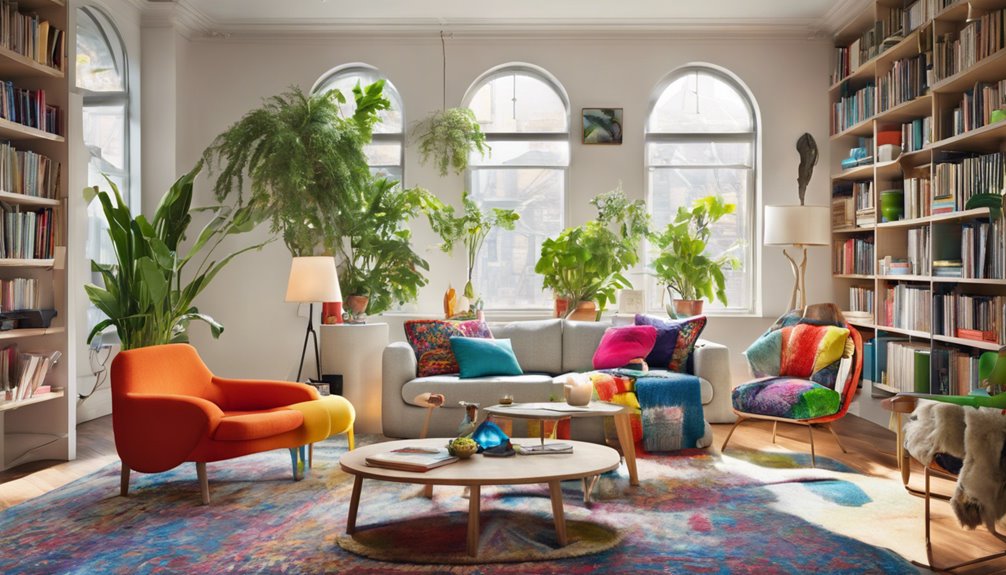
Designing a Multifunctional Room That Works for Everyone
When we design a multifunctional room, we start by evaluating everyone's needs. We can create distinct zones for work, relaxation, and play, ensuring clear boundaries for each area. Choosing versatile, modular furniture helps us maximize space, as clever storage solutions keep everything organized. We focus on elements that blend functionality with style, using thoughtful lighting and adaptable color schemes to improve the ambiance. Personal touches, like art and family photos, make the space feel inviting. With a few creative strategies, we can transform any room into a dynamic environment that works for all. There's more to explore on optimizing your design!
Assessing Your Space Needs
To kick off our design expedition, we need to assess our space needs thoroughly. Comprehending our space requirements is the first step toward creating a multifunctional room that serves various purposes. Let's take a moment to envision how we currently use our space and where we can innovate.
We should consider the activities we engage in daily—whether it's working, relaxing, or entertaining. Each function has distinct requirements that can influence our functional layout. By mapping out these activities, we can identify which areas need more room and which can be more compact.
Together, we can sketch a basic floor plan, marking zones for different functions. This visual representation helps us see where we might need to maximize vertical space or rearrange furniture to create flow. Remember, adaptability is key. We want to guarantee that our designs can shift as our needs evolve over time.
Next, let's think about the elements we can incorporate to boost functionality. Can we integrate hidden storage solutions or multi-use surfaces? It's all about finding inventive ways to improve our space without sacrificing style.
As we explore deeper into our project, let's keep our focus on cultivating a layout that's not only efficient but also inspires creativity. By prioritizing our space requirements now, we're setting ourselves up for a design that's both innovative and practical. Let's embrace this expedition of transformation and reimagine our environment together!
Choosing Versatile Furniture
When we think about choosing versatile furniture, it's all about maximizing our space. By opting for space-saving solutions and multi-use designs, we can create flexible arrangements that adapt to our needs. Let's explore how these choices can transform our multifunctional room into a functional and stylish area.
Space-Saving Solutions
In today's compact living environments, choosing versatile furniture can greatly improve our space and functionality. We can maximize our areas by incorporating innovative pieces that serve multiple purposes. For instance, folding tables and foldable chairs create flexible dining options, easily stowed away when not in use.
Wall-mounted desks offer the perfect solution for workspaces, providing vital surfaces without sacrificing floor space. Convertible couches not merely provide seating but transform into beds for guests, ensuring comfort during the optimization of our layouts.
To further improve our rooms, we can consider hidden storage solutions, like ottomans or benches with compartments, keeping our spaces tidy and organized. Adding sliding partitions allows us to create adaptable zones, offering privacy when needed but opening up for social gatherings.
Incorporating vertical gardens can breathe life into our interiors, as adaptable lighting helps set the mood for any occasion. Finally, compact appliances and multifunctional decor pieces can streamline our living areas, proving that we don't have to compromise style for practicality. Together, we can design multifunctional spaces that are as beautiful as they are efficient!
Multi-Use Designs
Embracing multi-use designs can transform our living spaces into dynamic environments that adapt to our needs. By choosing versatile furniture, we can create an innovative atmosphere that promotes both creativity and functionality. Envision a coffee table that effortlessly converts into a workspace or a sofa that transforms into a guest bed. These pieces not just maximize our space but additionally improve our daily lives.
When we focus on functional aesthetics, we find furniture that not just serves multiple purposes but additionally complements our style. Sleek, modern designs blend seamlessly into our creative layouts, ensuring we do not sacrifice beauty for practicality. We can choose pieces that add character during the time being adaptable.
Incorporating multi-use designs into our homes invites us to rethink how we interact with our spaces. By selecting furniture that meets various needs, we improve our environment and streamline our routines. Let's explore options that encourage flexibility, allowing us to shift our spaces in response to our activities, from work to relaxation. By embracing this approach, we create a home that truly reflects our dynamic lifestyles.
Flexible Arrangements
Choosing versatile furniture allows us to create flexible arrangements that adapt to our ever-changing needs. When we think innovatively about our space, we reveal countless possibilities for zoning strategies. By selecting items that serve multiple purposes, like a sofa bed or a foldable dining table, we can optimize our layout for various activities—regardless of it being a cozy movie night or a productive workspace.
Let's consider modular furniture. It gives us the freedom to rearrange our environment effortlessly, allowing for quick shifts between different layouts. With pieces that stack, nest, or connect, we can maximize our floor space while maintaining functionality. This adaptability is essential in today's dynamic living situations.
We should likewise pay attention to scale and proportion. Choosing the right-sized furniture guarantees we're not sacrificing comfort for utility, enhancing both aesthetic and practicality. By embracing these principles of layout optimization, we create an inviting atmosphere that caters to everyone's needs.
Maximizing Storage Solutions
Maximizing storage solutions transforms a multifunctional room into an organized haven. By integrating smart storage options, we can create a space that not only fulfills our diverse needs but also improves its aesthetic appeal. Let's explore innovative strategies that assist us in achieving this.
First, we can utilize hidden storage to maintain a clean, uncluttered look. Think about incorporating concealed compartments within furniture, such as ottomans or benches, where we can stash away items that tend to accumulate. This way, we keep our vital belongings accessible yet out of sight.
Next, vertical solutions come into play. By taking advantage of wall space, we can install creative shelving units that display our favorite books or décor while providing much-needed storage. Floating shelves or tall bookshelves draw the eye upward, making the room feel larger and more open.
We shouldn't forget about under bed organization, which can be a game-changer. By using storage bins or drawers that slide easily under our beds, we can maximize every inch of space without sacrificing style.
Incorporating Flexible Design Elements
When we think about incorporating flexible design elements, we can transform our spaces to meet various needs. Using modular furniture solutions allows us to easily rearrange and adapt our room layout. Moreover, creating multi-purpose zones and employing adaptable color schemes can improve both functionality and aesthetic appeal.
Modular Furniture Solutions
Incorporating modular furniture solutions into our living spaces allows us to create environments that adapt to our changing needs. By integrating elements like modular shelving and convertible seating, we can maximize functionality without sacrificing style. These innovative pieces empower us to reconfigure our spaces effortlessly, whether we're hosting guests or enjoying a quiet evening at home.
| Furniture Type | Key Feature | Benefits |
|---|---|---|
| Modular Shelving | Customizable Units | Personalization and flexibility |
| Convertible Seating | Multi-Use Design | Space-saving and comfort |
| Expandable Tables | Adjustable Size | Versatility for gatherings |
When we embrace modular solutions, we're not just investing in furniture; we're nurturing a lifestyle that encourages creativity and adaptability. Envision a room where our seating can transform from a cozy lounge to a formal dining setup in seconds. This approach invites innovation into our homes, allowing us to respond dynamically to our evolving lifestyles. Let's explore the boundless possibilities that modular furniture brings, making our spaces truly multifunctional and uniquely ours.
Multi-Purpose Zones
How can we create spaces that serve multiple functions without feeling cluttered? By incorporating multi-purpose zones, we can achieve that perfect blend of efficiency and style. These zones can accommodate shared activities, promote family collaboration, and inspire creative thinking. Let's explore a few key strategies:
- Adaptable Layouts: Use furniture that can be easily rearranged to create different configurations for various activities, ensuring everyone feels comfortable.
- Integrated Technology: Incorporate smart technology that improves workflow, making shifts between tasks seamless during maintaining an aesthetic balance.
- Comfort Zones: Design areas that invite relaxation and focus, allowing everyone to retreat into their comfort zones when needed.
- Connecting Spaces: Embrace flexible design elements that encourage movement and interaction, nurturing a sense of community during maintaining cohesive themes throughout the room.
Adaptable Color Schemes
Creating a cohesive and inviting space starts with adaptable color schemes that can effortlessly shift to suit different functions and moods. By tapping into color psychology, we can utilize the emotional impact colors have on our well-being. For instance, cooler tones might create a calming atmosphere for work, whereas warmer hues energize a space for social gatherings.
We're additionally inspired by trend influences that reflect seasonal changes, allowing us to refresh our environments with minimal effort. As the seasons shift, we can easily incorporate new colors that resonate with nature and elevate our space's vibe.
Let's not forget the cultural significance of colors; comprehending these nuances helps us create a more inclusive design. We can play with light effects, using shades that shift in appearance based on the time of day. Texture contrasts amplify our chosen color combinations, adding depth and interest to our multifunctional room.
Ultimately, by embracing adaptable color schemes, we can create spaces that resonate emotionally and functionally, ensuring our environments are always in tune with our needs and the world around us.
Creating Zones for Activities
Designing a multifunctional room means we need to think about distinct zones for different activities. By creating clear zone boundaries, we can improve activity flow and guarantee each area serves its purpose as we maintain harmony throughout the space. Let's explore some innovative ways to define these zones effectively:
- Work Zone: This area should be equipped with a desk and ergonomic seating. Incorporating shelving or storage solutions nearby keeps crucial tools within reach, minimizing distractions and promoting productivity.
- Relaxation Zone: A cozy corner with comfortable seating, such as a lounge chair or a small sofa, can invite relaxation. Adding a small side table for books or beverages reinforces the idea that this space is for unwinding.
- Social Zone: We can create a gathering spot by arranging seating for conversation or games. A modular furniture approach allows for easy rearrangement, adapting to different social scenarios and stimulating interaction.
- Creative Zone: If we're inclined to pursue hobbies, setting up a dedicated space for art, crafts, or music can spark inspiration. Utilizing movable partitions helps contain the mess as we remain flexible in our layout.
Personalizing Your Multifunctional Room
Personalizing our multifunctional room transforms it into a space that truly reflects our tastes and needs. When we infuse our personalities into the design, we create an environment that not only serves multiple purposes but additionally feels uniquely ours. Let's explore how we can achieve this.
First, we should consider incorporating personal touches that resonate with who we are. This might mean displaying cherished artwork, family photos, or souvenirs from our travels. These elements spark joy and remind us of meaningful experiences, making the room more inviting and relatable.
Next, we can choose color palettes and materials that promote aesthetic harmony. By selecting shades that complement each other, we improve the room's visual flow, making shifts between different zones seamless. We might opt for soft neutrals paired with lively accent colors to energize the space as we maintain a sense of balance.
Furthermore, integrating multifunctional furniture can help us maintain both style and functionality. For instance, a stylish ottoman that doubles as storage not only saves space but enriches the room's overall aesthetic appeal.
Lastly, let's not forget about lighting. Thoughtfully chosen lighting can alter the room's atmosphere, providing warmth and comfort while catering to our varied activities.
Frequently Asked Questions
How Can I Ensure Privacy in a Multifunctional Room?
To guarantee privacy in a multifunctional room, we can explore soundproof solutions and privacy screens. Using soundproofing materials, like acoustic panels, helps absorb noise and creates a quieter environment. We can additionally incorporate stylish privacy screens to delineate spaces without sacrificing aesthetics. By blending these elements, we not merely improve privacy but likewise maintain an innovative and functional design that caters to our diverse needs and activities. Let's get creative!
What Colors Are Best for a Multifunctional Space?
When we think about colors in a multifunctional space, it's like painting a canvas of possibilities. Color psychology shows us how shades influence our mood and space perception. For innovation, we should blend calming blues or greens for focus with energizing yellows or oranges for creativity. By balancing these colors, we create an environment that adapts to our needs, making every moment in the room feel just right. Let's embrace this lively expedition together!
How Can Lighting Affect a Multifunctional Room's Usability?
When we think about how lighting affects a room's usability, we realize it's essential for creating the right atmosphere. By using ambient lighting, we can set a welcoming mood, whereas task lighting helps us focus on specific activities, like reading or working. Balancing both types guarantees that our space feels functional and inviting. Let's explore innovative ways to layer these lighting styles, enhancing both comfort and productivity in our multifunctional environments!
What Are Budget-Friendly Options for Multifunctional Furniture?
When we think about budget-friendly options for multifunctional furniture, space-saving solutions and dual-purpose designs really stand out. We can look for items like sofa beds, nesting tables, or ottomans with storage. These innovative pieces not only maximize our space but additionally add versatility to our living areas. By choosing smart designs that serve multiple functions, we can create a stylish and efficient environment without breaking the bank. Let's explore these options together!
How Do I Maintain a Clutter-Free Multifunctional Room?
Did you know that 80% of Americans feel overwhelmed by clutter? To maintain a clutter-free multifunctional room, we can start by embracing smart storage solutions like under-bed bins or multifunctional furniture. We should additionally implement organization tips, such as designating specific spots for items and regularly decluttering. By doing this, we'll create a space that not only looks innovative but likewise functions seamlessly for our various needs. Let's transform our spaces together!


